Liam: A Name Carried Across Generations
Some names arrive loudly, riding a trend for a season before fading back into the baby books. Others settle in quietly and stay. Liam is the second kind.
Walk into any playground in Dublin, Boston, or Sydney and you won't wait long to hear it. Short, easy to say in almost any language, and impossible to shorten further — Liam has become one of the most loved boy's names in the English-speaking world, and it shows no sign of letting go.

Where It Comes From
Liam is Irish through and through. It's a shortened form of Uilliam, the Gaelic version of William, which itself traces back to the Germanic name Willahelm — wil meaning "will" or "desire," and helm meaning "helmet" or "protection." Put together, the old meaning comes out as something like "resolute protector" or "guardian."
That lineage runs deep. Monks in medieval Ireland copied the name into manuscripts in the looping strokes of the old Gaelic script, long before it ever appeared on a birth certificate in America.
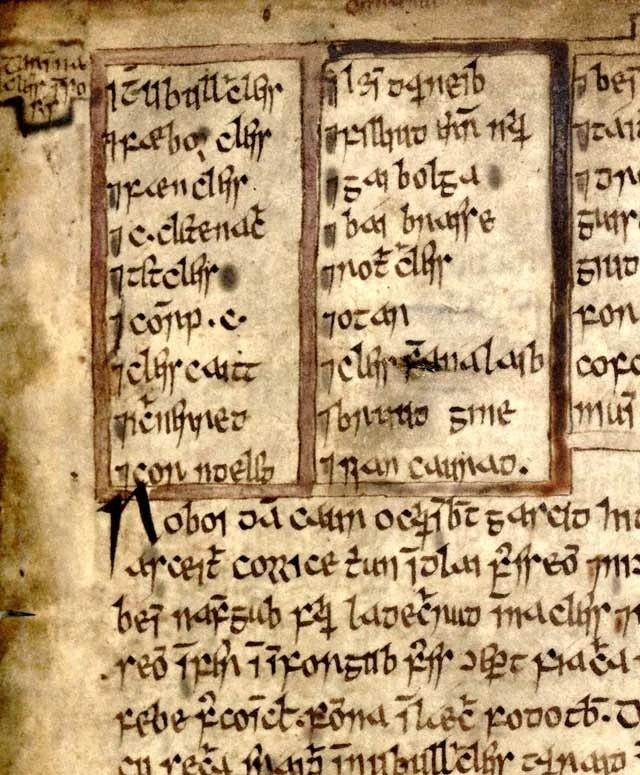
For centuries it stayed close to home, used mainly in Ireland itself. Emigration changed that. Irish families carried the name across the Atlantic through the nineteenth and twentieth centuries, and it put down roots wherever they landed.
From Quiet Corner to Top of the Charts
For most of the twentieth century, Liam was a name you might hear occasionally — familiar, but uncommon. Then something shifted. By the late 1980s it began climbing the charts in the United States, and by 2017 it had reached number one on the Social Security Administration's list of boy's names, a spot it held for years.
Part of the credit goes to famous Liams. Liam Neeson brought the name a certain gravity on screen. Liam Gallagher gave it a swaggering, rock-and-roll edge. Liam Hemsworth added a modern, easy charm. Between them, they made the name feel at once classic and current — no small trick.
Why Parents Keep Choosing It
Ask parents why they picked Liam and you'll get variations of the same answer: it works. It suits a newborn sleeping in his father's hands just as well as it suits a grown man signing a contract.
It travels well, too. No one in Paris, Tokyo, or São Paulo struggles to pronounce it. It comes with a built-in nickname if you want one — Lee — but it hardly needs it. And unlike some fashionable names, it doesn't carry a timestamp. A Liam born in 1960 and a Liam born in 2025 both sound perfectly at home.

More Than a Name
There's also something fitting in the meaning. "Resolute protector" may be an old Germanic construction, but it suits the way the name is often used in families — sometimes chosen to honor a father, grandfather, or a whole Irish heritage in a single word. The name carries weight without being heavy.
The Takeaway
Names rise and fall, but the ones that endure tend to share certain qualities: they're simple without being plain, traditional without being stuffy, and familiar without being worn out. Liam checks every box. Four letters, two syllables, a thousand years of history behind them.
Whether it belongs to a newborn in a crib or an elder with a lifetime of stories, Liam wears well at every age. That's rarer than it sounds — and it's why this little Irish name isn't going anywhere.